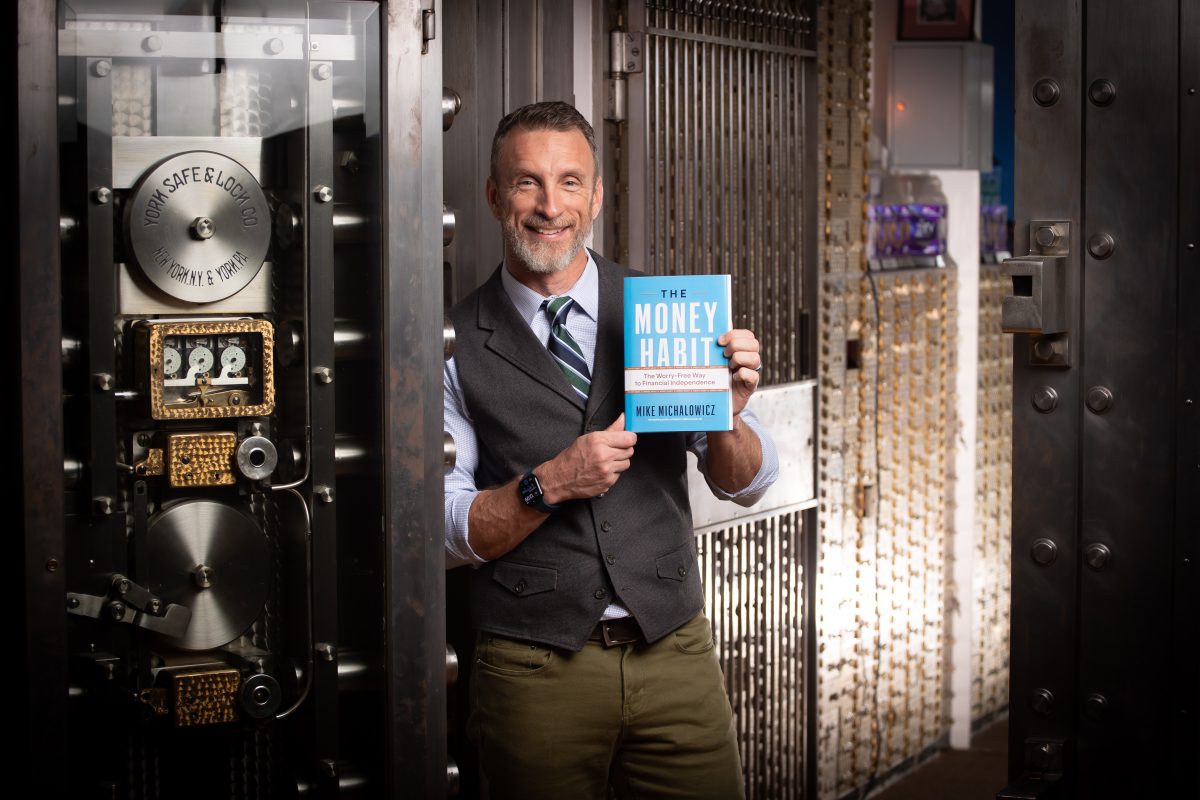
When I was writing The Money Habit, I thought I had it all figured out. Clear systems. Simple allocations. Habits that could take anyone from chaos to control. But then I asked my readers for feedback—and boy, did they deliver.
One question came up again and again: “Mike, what about inflation?”
Ah, inflation. That sneaky, creeping monster that hits your wallet before you even notice. And they were right: I hadn’t dug into it enough. So I went back to work. I wanted to give readers something practical—something they could use today—that wouldn’t feel like a temporary hack. Something evergreen.
Here’s what I realized: inflation hits in waves, and it hits your essentials first. Food. Fuel. Groceries. The weekly stuff you literally can’t skip. Then comes utilities, transportation, shipping, even your rent or mortgage once contracts reset. Your wants and dreams? They’re next. But here’s the kicker—they’re optional. You can delay or scale them without jeopardizing survival.
So here’s the approach I added to the book: secure the essentials first. Make sure your Needs account can handle rising costs. Then shift some cash to your Emergency account. Even a six-month cushion can make inflation feel less like a punch to the gut and more like a challenge you can manage.
But don’t go overboard cutting your Wants. That’s a joy killer. You don’t need to cut your fun into a thousand little losses. Instead, make one smart swap. If a full spa day is out, try a group meditation session. One big adjustment is easier to swallow than four tiny cuts that make you feel like you’re constantly losing.
Think ahead, too. If your lease ends next year, don’t wait for the rent increase to hit. Look up local trends, estimate the increase, and start setting aside the difference now. Let’s say your rent is $3,000 a month and expected to jump 15% to $3,450. Start saving that $450 monthly in your N-Rent account. By the time your lease renews, you’re prepared—no panic, no scrambling.
Same thing for adjustable-rate mortgages. Inflation can drive payments up fast. Lock in a fixed rate if you can. If rates drop later, refinance. But if they rise? You’re already ahead. Stabilize the essentials first, and the rest of your budget can breathe.
This chapter changed because I listened. My readers reminded me that money isn’t just numbers on paper—it’s stress, anxiety, and the real-life feel of inflation creeping into your life. By giving practical, proactive steps, The Money Habit isn’t just about control. It’s about confidence.
So here’s my takeaway for you: don’t wait for the next wave of inflation to hit. Secure your essentials. Build a cushion. Adjust your Wants smartly. And remember: this isn’t about perfect cuts or extreme sacrifices. It’s about taking control, staying calm, and building habits that last—no matter what the economy throws your way.
That’s what I call a Money Habit. That’s how I hope this book serves you. And if there’s one thing I’ve learned in all these years, it’s this: if you listen, people will tell you exactly what they need. And if you actually act on it, you can change lives.
-Mike