

How Falling in Love With the Problem Leads to Better Businesses

Most businesses don’t fail because the founders lack ideas. They fail because the founders fall in love with a solution too quickly.

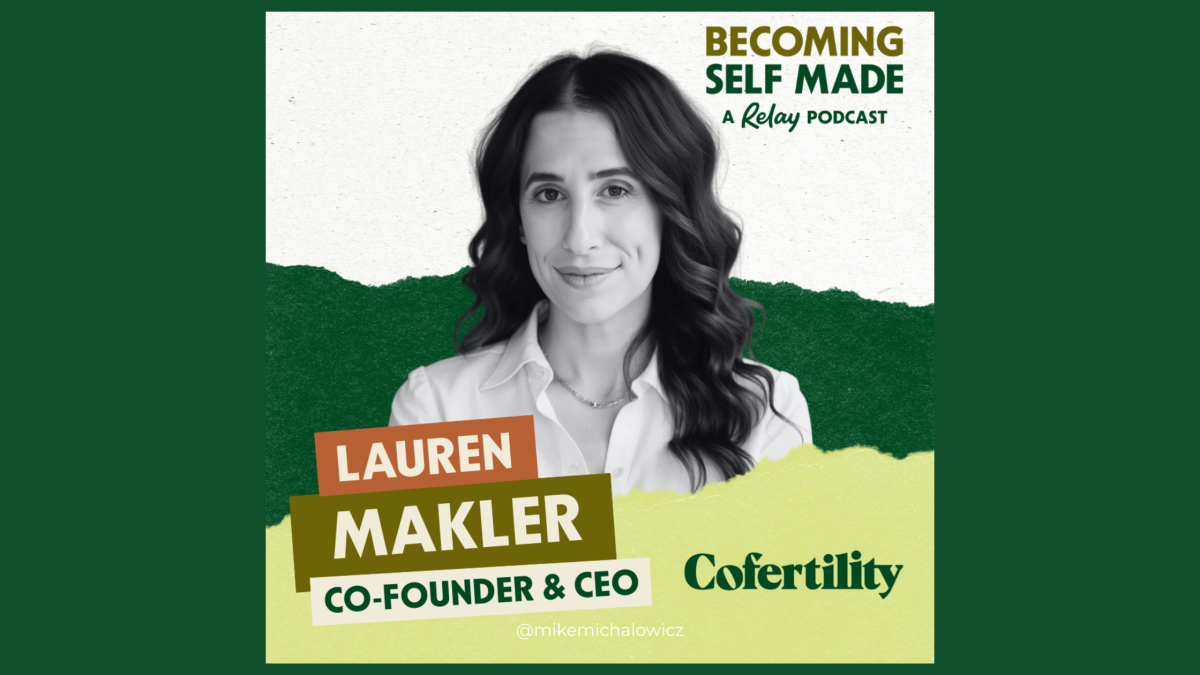
That’s why my conversation with Lauren Makler, co-founder and CEO of Cofertility, stuck with me. Lauren didn’t start with a pitch deck or a clever market gap. She started with something far more powerful: lived pain.

After receiving a rare medical diagnosis that threatened her fertility, Lauren found herself navigating an industry that was expensive, transactional, and emotionally tone-deaf. Egg freezing and donation weren’t designed for humans experiencing fear, grief, hope, and urgency. They were designed for efficiency.

And instead of rushing to fix it with the first idea that made sense, Lauren did something most entrepreneurs struggle to do: she fell in love with the problem.

Not the product.
Not the business model.
The problem.

That choice changed everything.

Fall in Love With the Problem, Not the First Solution

Cofertility exists because Lauren stayed obsessed with why fertility care felt broken, not just how to monetize it.

The problems were layered and interconnected:
Crushing financial barriers.
A system that treated people as transactions.
A lack of dignity and choice for both donors and intended parents.

If Lauren had locked herself into a single solution early on, Cofertility wouldn’t exist as it does today. Instead, she remained flexible. She allowed the solution to evolve while her commitment to the problem stayed fixed.

This is where so many businesses go wrong.

They ask, “How do I make this idea work?”
Instead of asking, “If this idea fails, do I still care deeply about solving this?”

That question matters. Because when the market shifts—and it always does—you don’t want to abandon the mission just because the original plan stopped working.

Here’s a simple test I use:
If this solution disappeared tomorrow, would I still feel compelled to solve this problem?

If the answer is no, you’re probably in love with the idea, not the impact.

Design From Lived Empathy, Not Assumptions

Lauren didn’t just study the fertility industry. She lived it.

As a patient and future parent, she experienced firsthand how cold and judgmental the process could feel. And instead of normalizing that experience as “just how the industry works,” she challenged it.

Cofertility was intentionally designed to feel like a big sister, guiding people through an overwhelming, emotionally loaded process with clarity, dignity, and humanity.

That’s not branding fluff. That’s strategy. Empathy isn’t a soft skill. It’s a competitive advantage.

Most industries unknowingly make people feel small, confused, or ashamed. When you identify those moments and deliberately design to remove them, you don’t just create customers. You build trust.

And trust is what creates real product–market fit.

Here’s the practical takeaway:
Talk to customers who are emotionally invested in the outcome. Ask them where they feel judged, rushed, or invisible. Then redesign those moments first.

People don’t remember every feature you offer.
They remember how you made them feel when they were vulnerable.

Trust Your Gut When Data Can’t Decide

Lauren also shared something every founder needs to hear: sometimes, the data doesn’t give you the answer.

Investor opinions conflict. Metrics point in different directions. Teams disagree. At some point, spreadsheets stop helping.

That’s when leadership actually begins.

Lauren reframed gut instinct in a way I love—not as impulse, but as stored pattern recognition. Years of experience, failures, wins, and lived context compressed into a feeling.

Data should narrow your options.
Judgment chooses among them.

One question Lauren uses that I’ve stolen (and now use myself):
“What choice would I make if I had to live with this for five years?”

That question cuts through the noise. It removes ego. It forces you to think beyond short-term validation and into long-term consequences.

Great leaders don’t ignore data.
They also don’t hide behind it.

The Bigger Lesson

Cofertility isn’t just a fertility company. It’s an example of what happens when a business is anchored in humanity first and scale second.

Lauren didn’t try to fix everything at once. She stayed grounded in the real problem. She designed with empathy instead of assumptions. And when the answers weren’t clear, she trusted the wisdom she’d earned.

If you’re building something right now, especially something meaningful, this is your reminder:

Obsess over the problem, not the pitch
Let empathy guide your design
And trust yourself when the numbers go silent

Because the businesses that last aren’t the cleverest.

They’re the ones built by people who cared too much to quit when the solution needed to change.

-Mike

PS – This was the last episode for this season of Becoming Self Made, a Relay (Financial) Podcast Hosted by Mike Michalowicz! Every download helps us secure Season Two. If the show supports your growth, this is your chance to keep it alive. Download here on Apple or Spotify!
Download on Apple

Download on Spotify

Download on YouTube


Comments

Leave a Reply

Your email address will not be published. Required fields are marked *

How Falling in Love With the Problem Leads to Better Businesses

Most businesses don’t fail because the founders lack ideas. They fail because the founders fall in love with a solution too quickly.

That’s why my conversation with Lauren Makler, co-founder and CEO of Cofertility, stuck with me. Lauren didn’t start with a pitch deck or a clever market gap. She started with something far more powerful: lived pain.

After receiving a rare medical diagnosis that threatened her fertility, Lauren found herself navigating an industry that was expensive, transactional, and emotionally tone-deaf. Egg freezing and donation weren’t designed for humans experiencing fear, grief, hope, and urgency. They were designed for efficiency.

And instead of rushing to fix it with the first idea that made sense, Lauren did something most entrepreneurs struggle to do: she fell in love with the problem.

Not the product.
Not the business model.
The problem.

That choice changed everything.

Fall in Love With the Problem, Not the First Solution

Cofertility exists because Lauren stayed obsessed with why fertility care felt broken, not just how to monetize it.

The problems were layered and interconnected:
Crushing financial barriers.
A system that treated people as transactions.
A lack of dignity and choice for both donors and intended parents.

If Lauren had locked herself into a single solution early on, Cofertility wouldn’t exist as it does today. Instead, she remained flexible. She allowed the solution to evolve while her commitment to the problem stayed fixed.

This is where so many businesses go wrong.

They ask, “How do I make this idea work?”
Instead of asking, “If this idea fails, do I still care deeply about solving this?”

That question matters. Because when the market shifts—and it always does—you don’t want to abandon the mission just because the original plan stopped working.

Here’s a simple test I use:
If this solution disappeared tomorrow, would I still feel compelled to solve this problem?

If the answer is no, you’re probably in love with the idea, not the impact.

Design From Lived Empathy, Not Assumptions

Lauren didn’t just study the fertility industry. She lived it.

As a patient and future parent, she experienced firsthand how cold and judgmental the process could feel. And instead of normalizing that experience as “just how the industry works,” she challenged it.

Cofertility was intentionally designed to feel like a big sister, guiding people through an overwhelming, emotionally loaded process with clarity, dignity, and humanity.

That’s not branding fluff. That’s strategy. Empathy isn’t a soft skill. It’s a competitive advantage.

Most industries unknowingly make people feel small, confused, or ashamed. When you identify those moments and deliberately design to remove them, you don’t just create customers. You build trust.

And trust is what creates real product–market fit.

Here’s the practical takeaway:
Talk to customers who are emotionally invested in the outcome. Ask them where they feel judged, rushed, or invisible. Then redesign those moments first.

People don’t remember every feature you offer.
They remember how you made them feel when they were vulnerable.

Trust Your Gut When Data Can’t Decide

Lauren also shared something every founder needs to hear: sometimes, the data doesn’t give you the answer.

Investor opinions conflict. Metrics point in different directions. Teams disagree. At some point, spreadsheets stop helping.

That’s when leadership actually begins.

Lauren reframed gut instinct in a way I love—not as impulse, but as stored pattern recognition. Years of experience, failures, wins, and lived context compressed into a feeling.

Data should narrow your options.
Judgment chooses among them.

One question Lauren uses that I’ve stolen (and now use myself):
“What choice would I make if I had to live with this for five years?”

That question cuts through the noise. It removes ego. It forces you to think beyond short-term validation and into long-term consequences.

Great leaders don’t ignore data.
They also don’t hide behind it.

The Bigger Lesson

Cofertility isn’t just a fertility company. It’s an example of what happens when a business is anchored in humanity first and scale second.

Lauren didn’t try to fix everything at once. She stayed grounded in the real problem. She designed with empathy instead of assumptions. And when the answers weren’t clear, she trusted the wisdom she’d earned.

If you’re building something right now, especially something meaningful, this is your reminder:

Obsess over the problem, not the pitch
Let empathy guide your design
And trust yourself when the numbers go silent

Because the businesses that last aren’t the cleverest.

They’re the ones built by people who cared too much to quit when the solution needed to change.

-Mike

PS – This was the last episode for this season of Becoming Self Made, a Relay (Financial) Podcast Hosted by Mike Michalowicz! Every download helps us secure Season Two. If the show supports your growth, this is your chance to keep it alive. Download here on Apple or Spotify!

Download on Apple

Download on Spotify

Download on YouTube