



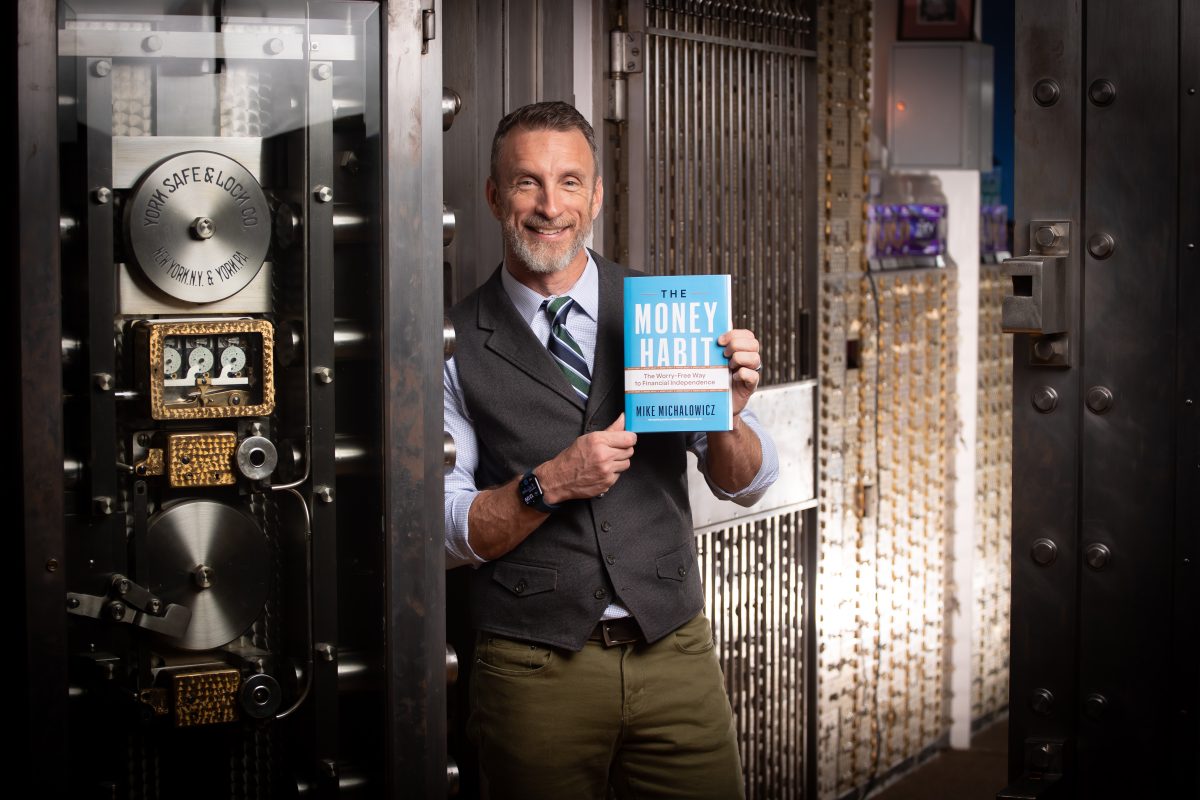
Budgeting, overspending, impulsive buys, we know the cycle. Money management is challenging. But one lesson keeps coming back: mastering even a single spending habit can create a ripple effect across your entire financial life.
I used to think financial discipline was all about willpower. I’d wake up Monday determined to track every penny, skip my morning coffee to save, or set strict rules for myself. And for a while, it worked. Then something small would derail me. Maybe a dinner out I didn’t plan for, an online splurge, a gift I couldn’t resist…and all the discipline would vanish.
That’s when I realized something crucial: you don’t need to overhaul your entire financial life at once. You just need to pick one habit and give it your full attention. The habit I focused on first wasn’t glamorous, but it was successful!
I made it harder to spend money.
While writing The Money Habit, I wanted to be sure to include real-life examples of changes people make to try to save money. One of them centers around adjusting your technology to make it harder to shop. (Ugh. I know. It’s so convenient. And who doesn’t love automatic gratification?)
An excerpt from The Money Habit – real-life example:
Nicole Chiarolla participated in the Money Habit training at A1 Garage Door Service and found a way to work with her online shopping habit, rather than eliminate it. She said she put items in her online shopping cart just like she always did. But rather than check out that day, she waited at least two weeks. Anything she still wanted at that time she would allow herself to purchase. Online “window shopping” gave her the same serotonin rush she got from checking out, and she didn’t buy as much as a result. This helped Nicole save enough to pay an additional $700 a month on her mortgage.
You can use technology to your advantage, to work with your habits. Here are a few:
- Turn off notifications (see ya, retailers).
- Add friction – make it harder to shop. Unsave your credit card numbers from apps. Better yet, get rid of the apps. You heard me.
- Don’t store passwords in your browser. I know. Unheard of.
- Swap your cart for a wish list.
- Delay shipping – it makes you reconsider your purchase.
These are just a few ideas from the book. There’s a ton left out here. But I have tried each of these shifts in my habits, and the result was incredible. Each time I felt the urge to spend, I had to pause, think, and navigate the friction I’d built into my process. That pause gave me the power to ask myself, Do I really need this? Is this helping me reach my bigger goals? And over time, I noticed something amazing: mastering this one habit made it easier to control other areas of my spending. I started noticing patterns, anticipating impulsive urges, and creating small, intentional rules in other areas of my finances.
This approach is exactly what The Money Habit emphasizes: financial habits aren’t just about numbers, they’re about behavior. Money is personal, and the habits we form with it reflect our values, emotions, and thought patterns. By choosing one habit to focus on, you can start reshaping your relationship with money from the inside out.
I’ve seen this happen in my own life. Once I mastered the habit of creating friction, I started noticing other small but important habits: paying bills immediately to avoid late fees, planning purchases instead of impulsively buying, and even automating savings. What started as one simple habit, one small decision to pause before spending, ended up influencing nearly every financial choice I made.
The beauty of this approach is that it doesn’t require perfection. You don’t need to overhaul your life, and you don’t need to track every single expense to the penny. You just need a single, actionable habit that matters to you. That’s what creates lasting change.
Financial mastery isn’t about restriction or deprivation, right? Right. It’s about clarity, control, and choice. By committing to one habit, like creating friction in spending, you give yourself the tools to gain control in other areas of life, too. It’s the domino effect: one habit leads to another, and suddenly, you’re not just surviving financially, you’re thriving.
So, if there’s one takeaway I hope you’ll embrace this week, it’s this: pick one spending habit to master. Make it concrete, make it actionable, and give it your full attention. Track it, tweak it, and let it become second nature. Then watch as the momentum carries over into other parts of your financial life.
Your relationship with money, like any relationship, is nurtured one step at a time. Master that first habit, and the rest will follow.
You’ve got this!
-Mike
PS – Some exciting things are happening!
The Money Habit is available for preorder here. Get peace of mind about money.
My new podcast, Becoming Self-Made, is the free business advice you cannot do without here. I am so excited to have teamed up with Relay on this project, and we’re talking with heavy hitters like Jesse Cole from Savannah Bananas, Don Miller of Storybrand, and many more! Don’t miss out.
- Watch the trailer now and get a sneak peek: Watch the Trailer
- Or visit the podcast homepage for all updates: Becoming Self-Made Podcast
And as always, free resources to support you are here on my website. From the Profit First Assessment to just about anything else you need!
